
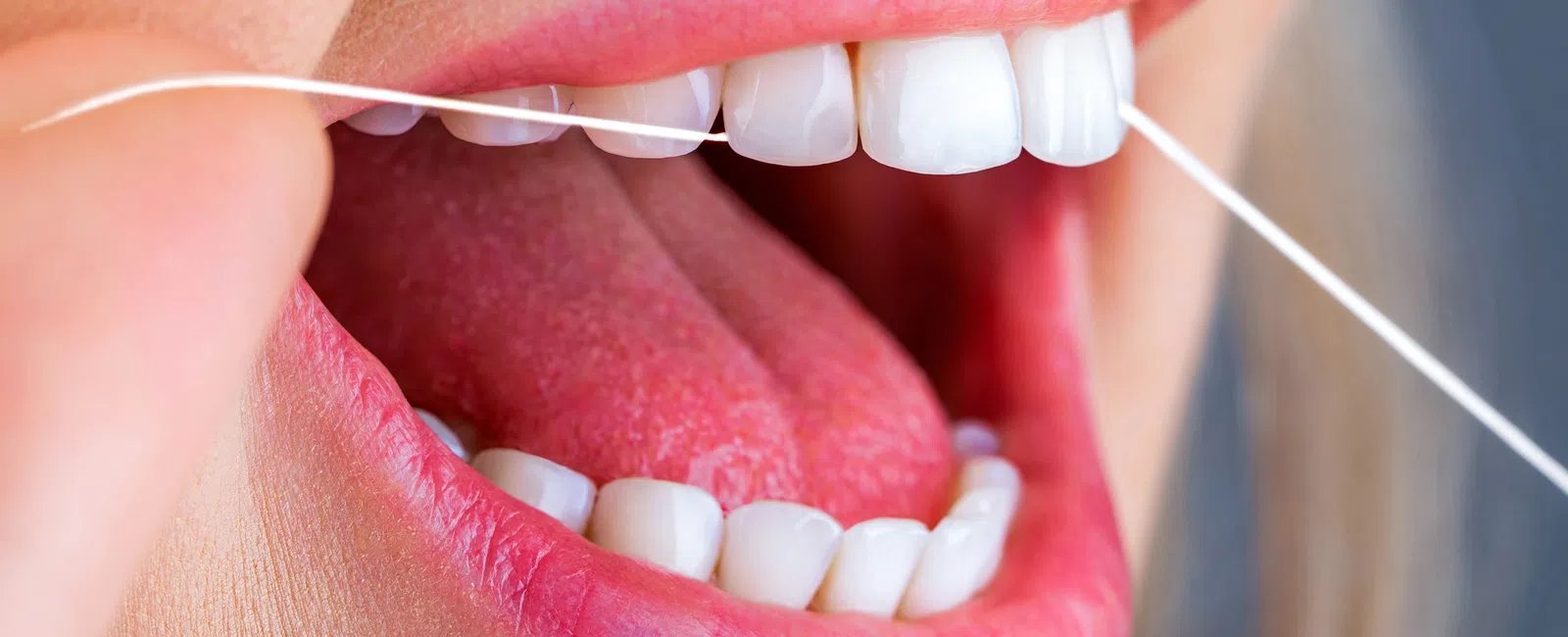
When Is The Best Time To Floss Your Teeth?
Most people know they should floss, but a lot of folks aren't sure exactly when to do it. Should you floss before brushing or after? Morning or night? The answers might surprise you, and getting the timing right can make a real difference in your dental health.
Why Timing Actually Matters
Flossing removes food particles and plaque from between your teeth where your toothbrush can't reach. But when you floss can affect how well it works and how much benefit you get from brushing afterward.
Think about it this way. If you brush first and then floss, you're just pushing around plaque and debris that gets knocked loose. That stuff stays in your mouth instead of getting rinsed away. Flossing first makes more sense for most people.
Floss Before You Brush
Dental experts generally agree that flossing before brushing is the better approach. When you floss first, you loosen up plaque and food particles stuck between your teeth. Then when you brush, the toothpaste and your toothbrush can clean away all that loosened debris-- along with the fluoride reaching more surfaces of your teeth.
This order also means more fluoride from your toothpaste ends up touching the spaces between your teeth, which helps strengthen enamel (in those hard-to-reach areas).
Nighttime Is the Best Time
While the order of flossing and brushing matters, the time of day matters even more. The best time to floss is right before bed.
Throughout the day, food gets stuck between your teeth. If you leave it there overnight, bacteria have hours and hours to feast on those leftover particles. This can lead to plaque buildup, bad breath, and eventually cavities or gum disease.
When you floss at night, you clear out all that debris before you go to sleep. This gives your mouth a clean slate and cuts down on the bacteria that would otherwise multiply while you're sleeping.
Once a Day Is Enough
You don't need to floss after every meal. Flossing once a day, preferably at night, is enough for most people. The key is being consistent and doing it the right way every single time.
Make sure you're using about 18 inches of floss and gently sliding it between each tooth, curving it around the base of each tooth in a C shape. Don't snap the floss into your gums since this can cause irritation or bleeding.
What If You Forget?
Life happens, and some nights you might be too tired or busy to floss. If that happens, try to floss in the morning instead. Flossing at some point during the day is better than skipping it altogether. The goal is to build a habit that works for your schedule, even if it's not always the ideal time.
Making It a Habit
The best time to floss is the time you'll actually stick with. If nighttime doesn't work for your routine, find another time that does and stay consistent. Keep floss somewhere visible, like next to your toothbrush, so you remember to use it. Over time, flossing will become as automatic as brushing your teeth.
Your dentist can also give you personalized advice based on your teeth, gums, and any specific concerns you might have. Regular checkups are a great time to ask questions about your flossing routine and make sure you're doing it correctly.
