
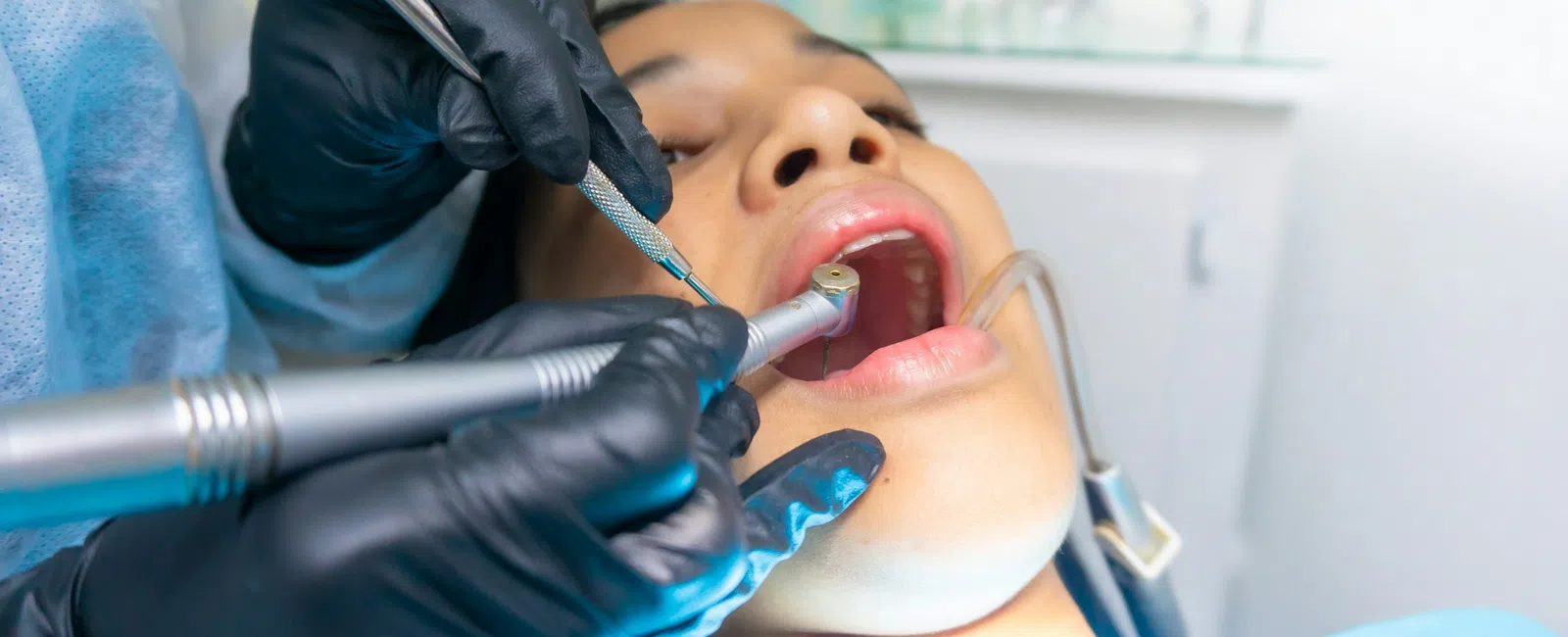
What a Dentist Looks For When Cleaning Your Teeth
Most people think a dental cleaning is only about making teeth look bright and polished. While that is part of it, a dentist or dental hygienist is also checking for signs of bigger problems. A cleaning visit is a chance to catch issues early, before they turn into pain, damage, or costly treatment.
Checking For Plaque And Tartar Buildup
One of the first things a dentist looks for is plaque and tartar. Plaque is a soft, sticky film of bacteria that forms on teeth every day. If it is not removed, it can harden into tartar. Tartar cannot be brushed away at home. It often builds up along the gumline and between teeth.
During a cleaning, the dentist or hygienist checks where plaque and tartar have collected most. This helps them focus on the areas that need the most care and gives them clues about your brushing and flossing habits.
Signs Of Gum Disease
Your gums can tell a lot about your oral health. A dentist looks for redness, swelling, bleeding, and tenderness. These can be early signs of gum disease. Healthy gums should look pink and firm, not puffy or irritated.
If gum disease is caught early, it can often be managed with better home care and regular cleanings. If it is not treated, it can lead to gum recession, loose teeth, and even tooth loss.
Tooth Decay And Cavities
Another major thing a dentist checks for is tooth decay. Cavities can start small and may not hurt at first. A dentist looks closely at the surfaces of your teeth, especially the grooves, the spaces between teeth, and areas near old fillings.
Finding decay early is important because small cavities are easier to treat. If decay gets deeper, it can reach the inner part of the tooth and cause pain or infection.
Wear, Cracks, And Damage
Teeth can wear down over time from grinding, clenching, or using them to bite hard objects. A dentist looks for flat spots, chips, cracks, and other signs of damage. These problems may not always be obvious to you, but they can lead to sensitivity or bigger breaks later.
If a dentist sees signs of grinding, they may talk to you about a night guard or other ways to protect your teeth.
Signs Of Infection And Swelling
Sometimes a dentist looks for signs that a tooth or gum area may be infected. Swelling, pus, unusual pain, or a bad taste in the mouth can all be warning signs. These issues need attention right away because infections can spread and become serious.
How Your Bite Works
A dentist also pays attention to how your teeth fit together. If your bite is uneven, it can cause extra wear on certain teeth or put stress on your jaw. During a cleaning visit, they may notice changes in how your teeth meet or if one area is taking more pressure than the others.
Changes In The Mouth And Soft Tissues
Cleanings are not just about teeth. Dentists also look at your tongue, cheeks, gums, and the roof and floor of your mouth. They check for sores, lumps, unusual spots, or other changes that should be watched more closely.
These checks are important because some mouth problems can be easier to treat when they are found early.
What Your Habits Are Telling Them
The condition of your teeth and gums can give a dentist clues about your daily habits. For example, heavy staining may suggest frequent coffee, tea, or tobacco use. Wear patterns may point to grinding. Dry mouth may show up as sticky tissues or more decay.
By looking at these signs, the dentist can give advice that fits your needs instead of offering general tips only.
Regular Cleanings Matter
Regular dental cleanings do more than keep your smile looking nice. They help catch problems early, remove buildup that home care may miss, and keep your mouth healthier over time. Even if your teeth feel fine, a dentist may notice small changes that are easy to treat now but harder to fix later.
If it has been a while since your last cleaning, now is a good time to schedule one. A simple visit can protect your teeth, gums, and overall oral health for years to come.
