
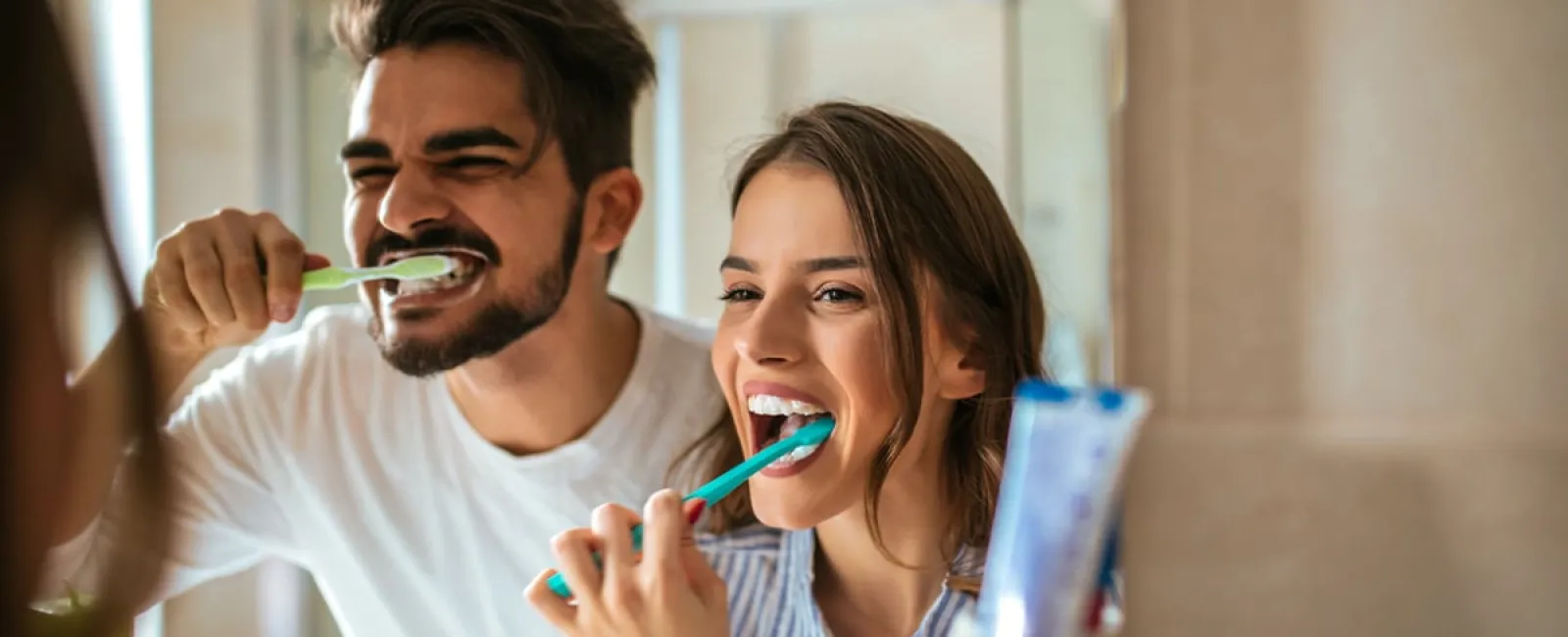
If you want to live a long and healthy life, visit your dentist every year. Unlikely as it may seem, good oral health is one of the best ways to ensure good physical health and prevent the onset of serious diseases such as dementia, diabetes, heart disease, and more. If you have a good oral hygiene routine, it's still important to have at least an annual checkup and teeth cleaning. If you haven't had an oral exam and teeth cleaning in a while, call our Northern Virginia office, and we'll put you on the schedule.
What's a Good Example of Basic Dental Care?
The American Dental Association recommends the following minimum standards for good daily dental care:
- Brush twice daily, more often if you can
- Floss at least once each day, preferably just before bedtime
- Use fluoridated toothpaste
- Get an exam and dental cleaning at least annually
If you can brush and floss after each meal and snack, you'll have more protection against cavities and gum disease. That's not always possible, but following the minimum ADA guidelines for dental hygiene will help you maintain the best oral health possible.
Brush at Least Twice Daily
Brushing at least twice daily helps to remove most of the bacteria and food particles from your mouth, and they're the culprits for tooth decay and gum disease. Be sure that one of your brushing times is immediately before you go to bed so that bacteria and food particles don't remain on your teeth overnight. Otherwise, they'll combine to form plaque and start the inflammation that causes gum disease.
When you brush, use a soft-bristled toothbrush that's appropriately sized for your mouth and has bristles of uneven length. Sometimes, adults need child-sized toothbrushes, and children need adult-sized toothbrushes, so select a toothbrush that fits your mouth regardless of the verbiage on the package. Brush for at least 30 seconds in each quadrant of your mouth, which is:
- The upper right side of your jaw
- The lower right side of your jaw
- The upper left side of your jaw
- The lower left side of your jaw
Use gentle pressure in a circular motion and move your toothbrush back and forth. This enables your toothbrush to reach the maximum surface area of your teeth and between them. Replace your toothbrush every three months or sooner if the bristles begin to deteriorate. If you've been ill and have recovered, replace your toothbrush immediately, so you don't reinfect yourself.
Refrain from using firm pressure and quick strokes because that can damage your tooth enamel. Instead, when brushing your teeth, slow and steady movements are the most effective. Also, don't forget to brush your tongue. Although not everyone does this, it helps to rid the mouth of bacteria that may lurk on the tongue's rough surface.
Use Fluoridated Toothpaste
Most toothpaste brands now contain fluoride, an experimental practice that began in the 1950's. When the incidence of cavities began to decline, fluoridated toothpaste became the standard. Fluoride is a naturally-occurring mineral that strengthens tooth enamel and reduces the incidence of tooth decay.
Many municipalities now fluoridate their water supply, and there has been some concern about over fluoridation. However, this malady has symptoms, so if you're concerned about getting too much fluoride in your body, talk to your dentist. Water supplies are fluoridated only to the minimum level for health, so it shouldn't be a problem for you, but your dentist can answer all your questions.
Floss Daily
Daily flossing is the minimum you should do for a good oral hygiene routine. If you floss only once daily, do so immediately before bedtime, and don't eat after you've flossed. This removes the food particles and bacteria that have accumulated between your teeth during the day and provides the least opportunity for plaque and gum disease to form. Ideally, you should floss during the day, but not everyone does.
It doesn't matter whether you use a water flosser, floss picks, or traditional dental floss as long as you floss. If you have questions, ask your dentist for recommendations. All your dental care products should carry the ADA Seal of Acceptance, so you know you're getting a safe, high-quality product.
Would Additional Tips for Basic Dental Care Be Helpful?
An antibacterial mouthwash is a great addition to a dental hygiene routine. Both regular and non-alcoholic formulas are equally effective and will remove bacterial residue from your mouth, especially on your tongue. The rough surface of the tongue is a mecca for bacteria, and mouthwash can remove them when brushing and flossing haven't.
Changing your snacking habits can help your oral health also. Rather than snacking on high-calorie, nutrient-deficient junk food, consider changing to fruits, nuts, and vegetables. Their crunchiness will help rid your mouth of food particles that can cause decay and gum disease, while their increased nutritional value will benefit your overall health.
Would On-the-Go Tips Be Helpful?
If you're frequently on the go and it's difficult to maintain good oral hygiene habits, consider assembling a to-go dental kit that contains travel-sized versions of your favorite dental products. That way, no matter where you are during the day, you have access to your dental hygiene routine. If you're not in a situation where brushing and flossing are an option, then rinse your mouth well with plain water until you can resume your normal dental hygiene routine.
What Are Good Prevention Habits?
Your best dental prevention habit is an annual trip to your dentist for an exam and teeth cleaning. You may have an excellent oral hygiene regimen, but you could also have an asymptomatic disease that only your dentist can detect. Oral cancer is a good example of this. It presents asymptomatically, so by the time you notice a problem, it has spread to other areas. Your dentist can detect problems like this before they escalate, so don't avoid your annual appointment.
We recommend all our patients get screened for oral cancer during their annual exam. Oral cancer is the fastest growing cancer and now accounts for more than three percent of all new cancer diagnoses. The screening process is painless and non-invasive; your dentist will conduct it during your exam.
Click here to schedule a dental cleaning and exam.
We Can Help You
If you need an annual exam and cleaning, a screening for oral cancer, or any other dental procedure, we can help you. Our patients' good dental health is our only priority, and we're sure you'll be happy with the quality of service you receive in our Northern Virginia office.
Click here to schedule a teeth cleaning and dental exam today. We look forward to working with you.
